
Editorial Approach
When I encounter a manuscript, screenplay, or treatment, I do not evaluate its elements in isolation.
Narrative architecture, character and emotional development, scene function, pacing, thematic cohesion, voice, and - where appropriate -cinematic storytelling operate in relationship to one another. A weakness that appears in one area of the work may originate somewhere else entirely.
My approach is therefore both structural and relational: understanding how the individual elements function, but also how they interact to create the experience of the work as a whole.
Narrative Architecture

Every narrative establishes an architecture through the relationships among its central premise, structural progression, character movement, conflict, escalation, and resolution.
I look closely at what is carrying the work: where its structural weight resides, how narrative movement develops, where momentum or clarity begins to weaken, and whether the progression of the work supports what it ultimately seeks to accomplish.
Strong architecture does not require adherence to a prescribed model. It requires internal coherence - a structure capable of supporting the particular story being told.
Character and Emotional Structure
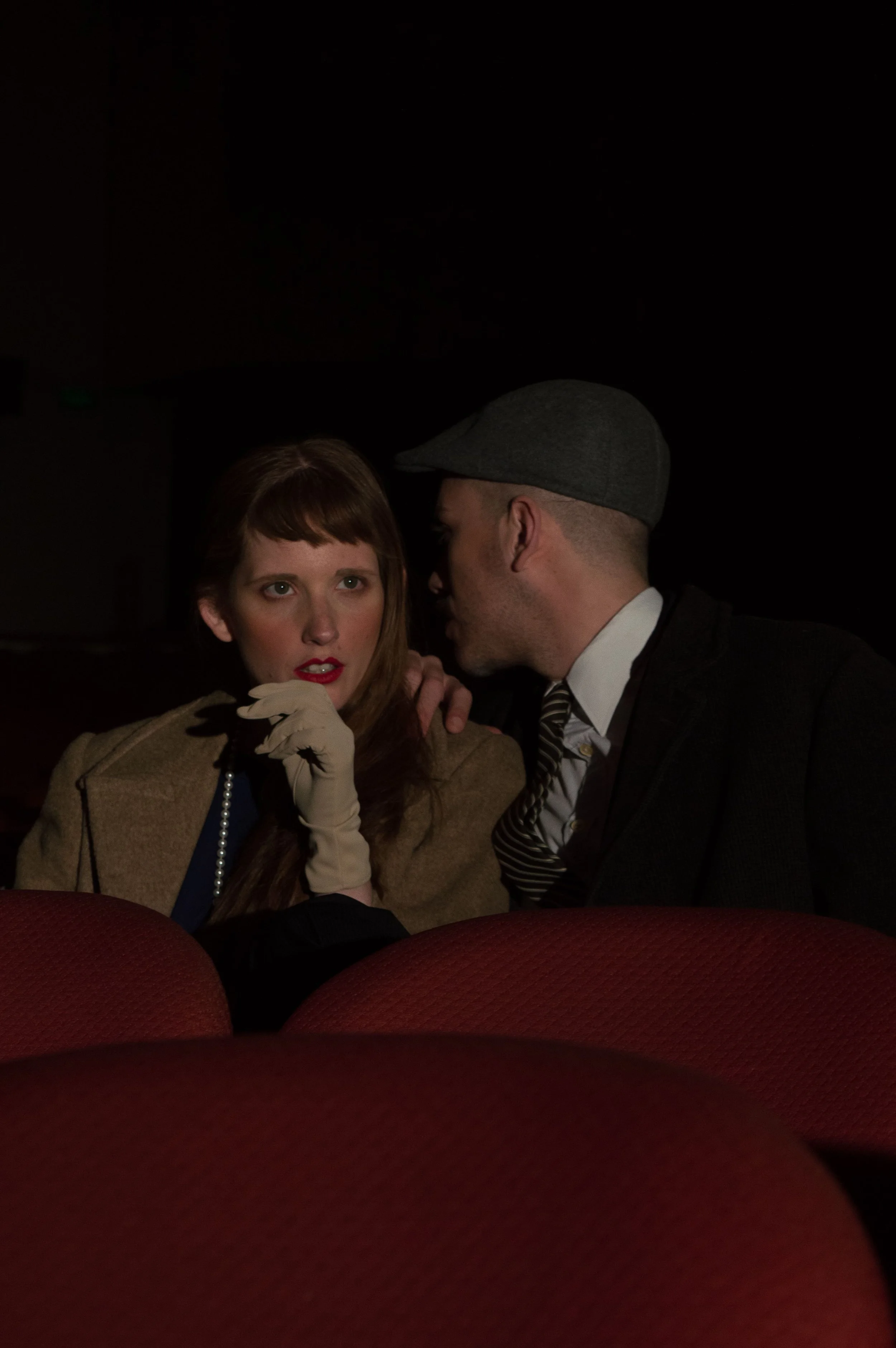
Character development is inseparable from narrative development.
I examine motivation, relationships, emotional progression, tension, contradiction, restraint, and the choices characters make as the work develops. I am interested not only in what characters do, but in what their actions reveal - and whether those revelations accumulate meaningfully across the narrative.
Emotional structure operates alongside this progression. What characters say, what they avoid saying, what they misunderstand, and what they cannot yet recognize can carry as much narrative weight as explicit action.
The objective is not to make every motivation transparent, but to ensure that character and emotional movement feel earned, coherent, and connected to the larger architecture of the work.
Scene Function and Progression
A scene should exist in relationship to what precedes it, what follows it, and what the narrative requires from it.
I consider what each scene accomplishes structurally, emotionally, and thematically: whether it develops character or conflict, alters relationships, introduces or resolves tension, shifts understanding, establishes atmosphere, or creates necessary movement within the work.
Not every scene must accomplish the same things or carry equal weight. What matters is that its presence is purposeful and that its placement contributes meaningfully to the progression of the whole.
Pacing and Narrative Movement
Pacing is not simply a question of speed.
It is the controlled movement of tension, information, atmosphere, character development, emotional intensity, and narrative momentum. A quiet passage can move a story forward with tremendous force; an action-heavy sequence can leave it standing still.
I examine where the work accelerates, where it needs space, where repetition diminishes momentum, and where structural imbalance affects the reader’s or audience’s experience of progression.
The appropriate rhythm belongs to the work itself.
Thematic Cohesion
Theme is most effective when it emerges through the cumulative experience of the narrative rather than being imposed upon it.
I look at how character choices, relationships, conflict, imagery, recurring ideas, structural patterns, and resolution contribute to the deeper concerns of the work.
The goal is not to make theme more explicit, but to recognize where it is already operating and ensure that the narrative supports it consistently enough to resonate.
Voice and Dialogue
Voice is not something I seek to standardize.
Whether expressed through prose, dialogue, narrative perspective, visual language, or tonal choices, voice is part of the identity of the work. My role is to recognize its characteristics, understand what gives it authority, and preserve those qualities while addressing places where clarity or execution may interfere with them.
Dialogue is considered not simply for what it communicates, but for character, relationship, rhythm, tension, subtext, and silence. Often, what remains unsaid carries as much weight as what appears on the page.
Editorial intervention should make the voice more legible as itself - not more closely resemble someone else’s.
Cinematic Storytelling
For screenplays and treatments, I also consider how the work communicates through the possibilities of the screen.
This includes visual storytelling, scene construction, transitions, spatial and temporal clarity, action, dialogue, narrative compression, and the relationship between what is explained and what can instead be experienced visually.
The objective is not spectacle for its own sake, but cinematic intention: ensuring that the story is being told through the medium rather than simply described within it.
The Work as a Whole

These elements cannot ultimately be separated from one another.
A structural change may alter emotional progression. A character decision may transform the meaning of a later scene. A pacing concern may originate in repetition, unclear motivation, or misplaced structural weight. A seemingly small change in dialogue may affect character, tension, theme, and the audience’s understanding simultaneously.
That interconnectedness is why I approach editorial work as a whole before determining what requires attention within its parts.
The purpose of editorial analysis is not to make every element conform to an ideal model. It is to understand how the particular work functions, identify where its elements strengthen or undermine one another, and help bring them into greater alignment with the story the work is seeking to tell.
From Approach to Process
A thoughtful editorial approach also requires a clear process. From the initial review through developmental guidance and revision, each stage is designed to give the work the attention it needs while giving the author a clear understanding of what comes next.